






 0 comments
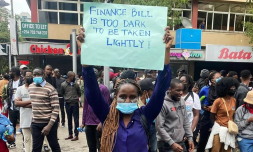
Madagascar is under the shadow of its largest youth-led demonstrations in decades. The protests, driven by a frustrated Gen Zers, show no signs of slowing down despite President Andry Rajoelina’s recent move to dissolve his government in an attempt to restore calm.
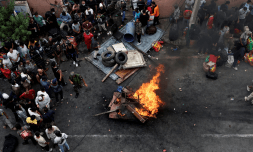
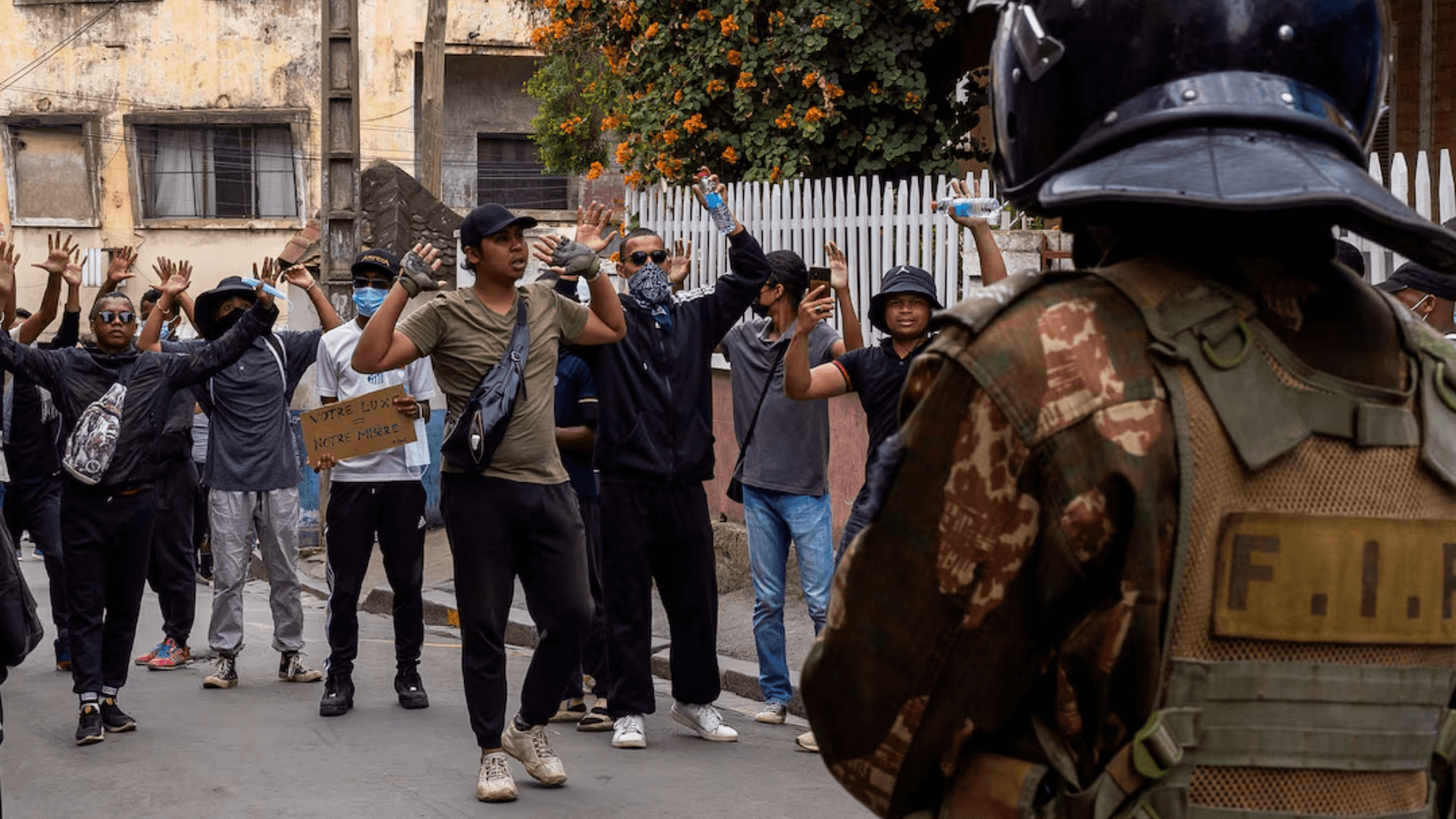
What began as peaceful rallies in the capital, Antananarivo, over persistent power outages and water shortages has now spread to at least eight cities across the country. But as the movement gains momentum, so does the government’s crackdown.
Law enforcement used force in response, and according to the United Nations, in the past week, at least 22 individuals have lost their lives and over 100 have been injured.
For those who work, study, and run small businesses in these communities, frequent blackouts and water cuts pose challenges and threaten their livelihoods, education, and access to healthcare and food.
JIRAMA, the state utility in Madagascar, has had challenges for several years due to aging infrastructure, high technical and tariff related losses of infrastructure, and disinvestment in services, unreliable for the customer and a large debt to the state.
Only a small portion of the population has access to telecommunications and basic public utilities. Years of underinvestment in infrastructure and urban communication technology have left many households vulnerable and exposed and at risk of essentially being cut off.
Madagascar’s modern politics have been shaped by recurring instability. The island has experienced multiple coups and disputed handovers since it became independent in 1960. Rajoelina’s first term happened after he seized power unconstitutionally in 2009. He was then democratically elected in 2018 and re-elected in 2023 – but the last election was condemned by some opponents as unfair.
That history matters. When institutions are perceived as dodgy or fragile, ordinary governance failures (like broken utilities) reflect political failure, not merely technical problems. That perception fuels demands not only for better services, but for accountability at the top.